

Governments are scrambling to develop alternatives to gasoline engines as concern about emissions and carbon footprints grows. As a result, the use of zero emission automobiles is rising. The fuel cell is a cost-effective and alluring option for zero-emission mobility. A fuel cell-electric vehicle is an electrically propelled vehicle that uses hydrogen as its energy source to produce electricity in a fuel cell. The traction battery can also be used to temporarily store this energy. Furthermore, compared to gas or diesel engines, fuel cells are more efficient. Furthermore, compared to internal combustion engines, the majority of fuel cells operate with a low noise level.
A green wave has undoubtedly been sparked by the emergence of this disease, with significant reductions in harmful emissions resulting from diverse human development activities. Additionally, governments will be able to take advantage of this unfortunate circumstance and advance the drive toward the use of low-carbon technology in order to tackle the damaging climate issues thanks to the ongoing deployment of FCEVs. In light of this coronavirus epidemic, the demand for fuel cell technology is probably going to increase. For instance, as part of the post-COVID economy recovery, the Railway Industry Association in the UK encouraged the national administration to increase funding to promote battery and environmentally friendly hydrogen-powered trains in July 2020. The group has expressed interests in advancing the use of low-carbon trains and advancing the green economic renaissance.
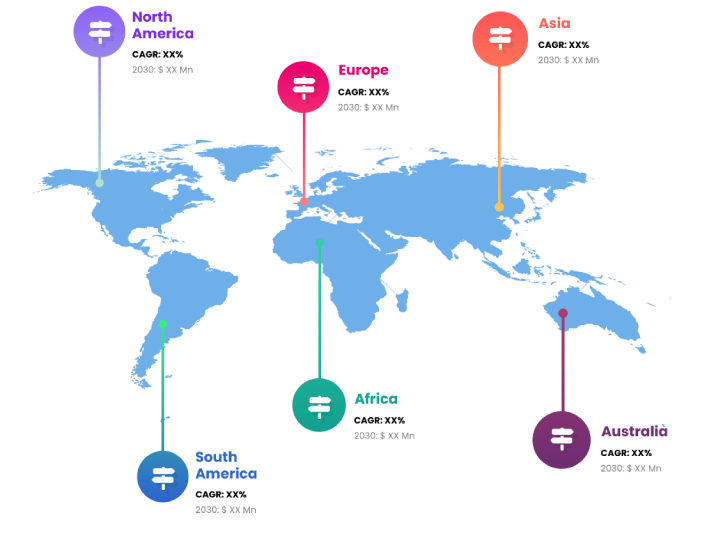
The market is divided into four categories based on geography: North America, Asia Pacific, Europe, and the Rest of the World. The automotive fuel cell market is anticipated to be driven by the Asia Pacific region and continue to expand. In order to limit the negative impacts of global warming, the governments of nations like China, Japan, and Hong Kong are promoting the use of renewable energies. Because there are so many vehicles on the highways in North America, efforts are being made to limit carbon emissions. The need for fuel cells as a greener alternative to conventional cells is growing due to the increased demand for both light and heavy commercial vehicles.
Automakers find the automotive fuel cell technology to be an appealing prospect, which enables them to produce high energy cells that can power the vehicles. The main energy source for the fuel cells is either hydrogen or methane. Compared to traditional lithium-ion battery cells, which cannot be recycled, both of these elements are cleaner fuel sources. Lithium-ion battery cells provide a disposal issue, which has a significant negative influence on the environment.
The market for automobile fuel cells has grown as people are becoming more aware of zero-emission vehicles. The global market for automotive fuel cells is expanding due to strict regulatory regulations and pollution requirements. Additionally, fuel cells extend the vehicle's operational range. Additionally, growing public awareness of the World Health Organization's (WHO) poor air quality index may boost fuel cell sales for automobiles. However, hydrogen is dangerous to store and highly combustible. Inadequate hydrogen infrastructure and rising BEV and HEV adoption are also impeding the market's expansion. Additionally, since there are no moving parts, fuel cells require little maintenance, spurring market expansion.
Fuel cells have a lot of benefits, but their commercial expansion is constrained by the cost of splitting water into oxygen and hydrogen. However, makers of vehicle fuel cells are constantly under pressure to develop a substitute for splitting water molecules. Recently, researchers from Griffith University and Swinburne University of Technology discovered a method to split water molecules by employing catalysts made of cheap metals like iron and nickel. This would support the expansion of the vehicle fuel cell sector.
Many businesses worldwide are working to conduct R&D operations in order to make significant advancements in fuel cell car technologies. To increase the power output efficiency of cars, many players are currently implementing the technology across their fleets. For instance, Ballard Power Systems received a follow-up order from Van Hool in Belgium in December 2020 to power fuel cell electric buses (FCEBs) made by Van that will be used in Emmen, the Netherlands. For A330 buses with an operational range of 350–400 kilometers and a carrying capacity of about 74 passengers, Ballard is scheduled to offer ten new FC modules.
Report Coverage
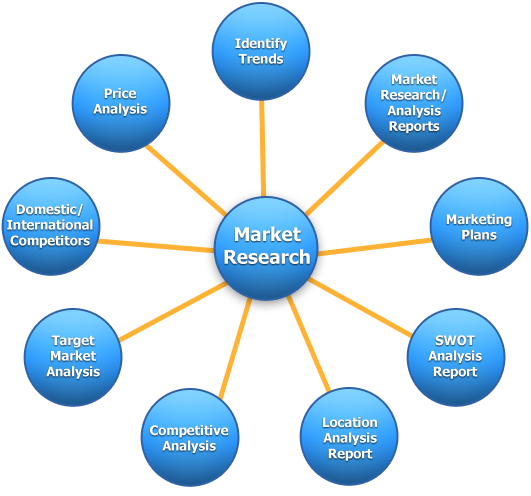
Global Automotive Fuel Cell research report categorizes the market for global based on various segments and regions, forecasts revenue growth, and analyzes trends in each submarket. Global Automotive Fuel Cell report analyses the key growth drivers, opportunities, and challenges influencing the global market. Recent market developments and Automotive Fuel Cell competitive strategies such as expansion, product launch and development, partnership, merger, and acquisition have been included to draw the competitive landscape in the market. The report strategically identifies and profiles the key Automotive Fuel Cell market players and analyses their core competencies in each global market sub-segments.
| REPORT ATTRIBUTES | DETAILS |
|---|---|
| Study Period | 2017-2030 |
| Base Year | 2022 |
| Forecast Period | 2022-2030 |
| Historical Period | 2017-2021 |
| Unit | Value (USD Billion) |
| Key Companies Profiled | Ballard Power Systems Inc. (Canada), ITM Power (U.K.), Hydrogenics (Canada), Plug Power (U.S.), Automotive Fuel Cell Cooperation (Canada), and Ceramic Fuel Cells Ltd (Australia). Delphi Technologies (U.K.), Doosan Fuel Cell America (U.S.), Nedstack (The Netherlands) and Plug Power (U.S.), Elcogen AS, SFC Energy AG, Proton Power System PLC, Nuvera Fuel Cells LLC, Hyundai Motor Company (South Korea), Toyota Motor Company (Japan), Nissan Motor Corporation (Japan), Daimler AG (Germany), Toshiba (Japan), Ceres Power (UK), AVL (Austria), Bosch (Germany), Continental Industries (Germany), ElringKlinger (Germany), Faurecia (France), FEV Group GmbH (Germany), Intelligent Energy (England), PowerCell Sweden AB (Sweden), Proton Motor Fuel Cell GmbH (Germany), StreetScooter (Germany), Symbio (France), Valmet Automotive (Finland), Wuhan Tiger FCV (China), Sinocat Environmental Technology Co., Ltd. (China), Hauzer Techno Coating B.V. (Netherlands), Bing Energy (U.S.), W. L. Gore & Associates (U.S.), Foresight Energy Co., Ltd. (China), Air Liquide (France), Blue World Technologies (Denmark), Bosal (Belgium), Danish Power Systems (Denmark), e.Go Mobile AG (Germany), FABER INDUSTRIE SPA (Italy), FREUDENBERG (Germany), Grove Hydrogen Automotive (China), H2 Energy (Switzerland), H2V Industry (France), Hexagon Composites ASA (Norway), Horizon Fuel Cell Technologies (Singapore), Hydrogenious (Germany), Hydrospider (Switzerland), Hystorsys (Norway), Pragma Industries (France), Shanghai Re-Fire Technology Co., Ltd. (China), Solaris Bus & Coach S.A (Poland), Umicore (Belgium), UQM Technologies (U.S.), Wind2Gas Energy GmbH & Co KG (Germany), Wystrach (Germany) |
| Segments Covered | • By Product |
| Customization Scope | Free report customization (equivalent to up to 3 analyst working days) with purchase. Addition or alteration to country, regional & segment scope |
Key Points Covered in the Report
- Market Revenue of Automotive Fuel Cell Market from 2021 to 2030.
- Market Forecast for Automotive Fuel Cell Market from 2021 to 2030.
- Regional Market Share and Revenue from 2021 to 2030.
- Country Market share within region from 2021 to 2030.
- Key Type and Application Revenue and forecast.
- Company Market Share Analysis, Automotive Fuel Cell competitive scenario, ranking, and detailed company
profiles. - Market driver, restraints, and detailed COVID-19 impact on Automotive Fuel Cell
Market
Competitive Environment:
The research provides an accurate study of the major organisations and companies operating in the global Automotive Fuel Cell market, along with a comparative evaluation based on their product portfolios, corporate summaries, geographic reach, business plans, Automotive Fuel Cell market shares in specific segments, and SWOT analyses. A detailed analysis of the firms' recent news and developments, such as product development, inventions, joint ventures, partnerships, mergers and acquisitions, strategic alliances, and other activities, is also included in the study. This makes it possible to assess the level of market competition as a whole.
List of Major Market Participants
Ballard Power Systems Inc. (Canada), ITM Power (U.K.), Hydrogenics (Canada), Plug Power (U.S.), Automotive Fuel Cell Cooperation (Canada), and Ceramic Fuel Cells Ltd (Australia). Delphi Technologies (U.K.), Doosan Fuel Cell America (U.S.), Nedstack (The Netherlands) and Plug Power (U.S.), Elcogen AS, SFC Energy AG, Proton Power System PLC, Nuvera Fuel Cells LLC, Hyundai Motor Company (South Korea), Toyota Motor Company (Japan), Nissan Motor Corporation (Japan), Daimler AG (Germany), Toshiba (Japan), Ceres Power (UK), AVL (Austria), Bosch (Germany), Continental Industries (Germany), ElringKlinger (Germany), Faurecia (France), FEV Group GmbH (Germany), Intelligent Energy (England), PowerCell Sweden AB (Sweden), Proton Motor Fuel Cell GmbH (Germany), StreetScooter (Germany), Symbio (France), Valmet Automotive (Finland), Wuhan Tiger FCV (China), Sinocat Environmental Technology Co., Ltd. (China), Hauzer Techno Coating B.V. (Netherlands), Bing Energy (U.S.), W. L. Gore & Associates (U.S.), Foresight Energy Co., Ltd. (China), Air Liquide (France), Blue World Technologies (Denmark), Bosal (Belgium), Danish Power Systems (Denmark), e.Go Mobile AG (Germany), FABER INDUSTRIE SPA (Italy), FREUDENBERG (Germany), Grove Hydrogen Automotive (China), H2 Energy (Switzerland), H2V Industry (France), Hexagon Composites ASA (Norway), Horizon Fuel Cell Technologies (Singapore), Hydrogenious (Germany), Hydrospider (Switzerland), Hystorsys (Norway), Pragma Industries (France), Shanghai Re-Fire Technology Co., Ltd. (China), Solaris Bus & Coach S.A (Poland), Umicore (Belgium), UQM Technologies (U.S.), Wind2Gas Energy GmbH & Co KG (Germany), Wystrach (Germany)
Primary Target Market
- Market Players of Automotive Fuel Cell
- Investors
- End-users
- Government Authorities
- Consulting And Research Firm
- Venture capitalists
- Third-party knowledge providers
- Value-Added Resellers (VARs)
Market Segment:
This study forecasts global, regional, and country revenue from 2019 to 2030. INFINITIVE DATA EXPERT has segmented the global Automotive Fuel Cell market based on the below-mentioned segments:
Global Automotive Fuel Cell Market, By Electrolyte type
Polymer Electronic Membrane Fuel Cell (PEMFC
Direct Methanol Fuel Cell
Alkaline Fuel Cell
Phosphoric Acid Fuel Cell (PAFC)
Global Automotive Fuel Cell market, By Component
Fuel Processor
Fuel Stack
Power Conditioner
Air Compressor
Humidifier
Global Automotive Fuel Cell Market, By Power output
<150 kW
150–250 kW
>250 kW
Global Automotive Fuel Cell market, Regional Analysis
- Europe: Germany, Uk, France, Italy, Spain, Russia, Rest of Europe
- The Asia Pacific: China,Japan,India,South Korea,Australia,Rest of Asia Pacific
- South America: Brazil, Argentina, Rest of South America
- Middle East & Africa: UAE, Saudi Arabia, Qatar, South Africa, Rest of Middle East & Africa
You will get in-depth and extensive automotive fuel cell market market research and competitor analysis for your business to help you develop more profound insights into the automotive fuel cell market Market.
Through INFINITIVE Data Expert is a professional Market Research services, I will identify the automotive fuel cell market market size, demand & opportunities, growth rate, and target audience with a comprehensive analysis of your competitors.