

Insurance is a method whereby a group of people who are all exposed to the same dangers pool their modest resources into a larger pot. Those that suffer losses are subsequently compensated from this fund. Farmers may safeguard their finances from potential crop losses due to unforeseen natural disasters like fires, floods, pests, and illnesses with crop insurance. Any amount from the entire outlay to a multiple of that amount or even a percentage of the anticipated harvest revenue might serve as the basis for insurance coverage. The disparity between the guaranteed yield (threshold yield) and the actual yield determines the compensable payment. When the true amount of crop yield loss is calculated, then claims can be reimbursed. Insurance for farmers protects them financially in the event that they suffer a loss of income, crops, assets, property, or livestock over a certain period of time in exchange for a premium payment.
An increasing number of small-scale farmers and big and minor companies in the agriculture sector are choosing for insurance to cover probable losses and failure of harvests, thanks to the expanding awareness of the availability of such coverage and the increasing number of unusual climatic events. Furthermore, several insurance companies have recently expanded their service offerings and portfolios to meet these needs. Market development is being propelled by initiatives that highlight the significance and benefits of agriculture insurance for farmers of all kinds. Another important element that is predicted to continue driving revenue growth in the global market is the increased government support for farmers in the event that their crops fail due to natural causes or occurrences.
In order to safeguard their crops from potential losses caused by things like natural disasters, climate change, floods, severe rains, illnesses, pests, and so on, agricultural producers invest in agricultural insurance. The purpose of agricultural insurance is to shield farmers from financial ruin in the event that their crops or livestock suffer harm. Key factors anticipated to boost growth in the global agricultural insurance market going ahead include rising food demand and government funding and assistance to promote the availment of farm insurance. A number of nations' mandates for agricultural insurance are adding fuel to the fire of market expansion.
One major element that can slow the expansion of the worldwide market is people's lack of knowledge about crop insurance plans and products. Not only that, but fast urbanization, an increase in the number of commercial and residential developments, and a decrease in arable land are all major factors limiting agricultural activities and slowing market growth, particularly in developing nations.
The widespread occurrence of plant diseases is causing a dramatic increase in the need for agricultural insurance, which is creating a formidable obstacle for farmers. Over the past few decades, there has been a dramatic increase in the frequency and severity of extreme weather events, which has put agricultural systems under serious danger. Because of its sensitivity to environmental factors, the agricultural insurance industry is particularly at risk from catastrophic weather events. From severe weather to the spread of transboundary plant and animal diseases and pests, disasters can have far-reaching effects on ecosystems, agricultural development, livestock health, fisheries and aquaculture productivity, and more.
Agriculture has a crucial role in disaster consequences, according to data from Post-Disaster Needs Assessments (PDNA) that cover the years 2008 to 2018. Of the total impact of medium- to large-scale disasters in low- and lower-middle-income nations during this time period, 26% fell on agriculture, which include crops, cattle, forestry, fisheries, and aquaculture. With 63% of the overall damage and loss, agriculture takes a heavier hit than other sectors like industrial, commerce, and tourism when disasters strike. The data shown here highlight the importance of agricultural insurance as a safety net for farmers and other agricultural stakeholders, helping them to lessen the financial blow of these more common and devastating disasters and to become more resilient to changing climate risks.
A worldwide health catastrophe, the COVID-19 pandemic's sudden appearance shook many sectors to their foundations, including agriculture insurance. The stability of the global crop insurance sector was undermined by changes in consumer behavior, market volatility, and interruptions to the supply chain that were caused by the pandemic-induced economic slump. Delays in claim processing and policy issuing were caused by the pandemic's impact on insurance firms' typical processes. It was difficult to assess agricultural losses on the ground due to lockdowns and social distancing tactics. In response to the COVID-19 pandemic, numerous governments provided subsidies and relief packages to farmers and insurers. New risks, including as interruptions to supply chains and market volatility caused by global health emergencies, need to be factored into insurance plans, as the pandemic highlighted.
Report Coverage
Global Agricultural Insurance research report categorizes the market for global based on various segments and regions, forecasts revenue growth, and analyzes trends in each submarket. Global Agricultural Insurance report analyses the key growth drivers, opportunities, and challenges influencing the global market. Recent market developments and Agricultural Insurance competitive strategies such as expansion, product launch and development, partnership, merger, and acquisition have been included to draw the competitive landscape in the market. The report strategically identifies and profiles the key Agricultural Insurance market players and analyses their core competencies in each global market sub-segments.
| REPORT ATTRIBUTES | DETAILS |
|---|---|
| Study Period | 2017-2031 |
| Base Year | 2023 |
| Forecast Period | 2023-2031 |
| Historical Period | 2017-2022 |
| Unit | Value (USD Billion) |
| Key Companies Profiled | Allianz SE Reinsurance, QBE Insurance Ltd., Sompo International Holdings Ltd, Agriculture Insurance Company of India Limited (AIC), People's Insurance Company (Group) of China Limited, Zurich, AXA, Chubb, Great American Insurance Company, Munich Re Group |
| Segments Covered | • By Product |
| Customization Scope | Free report customization (equivalent to up to 3 analyst working days) with purchase. Addition or alteration to country, regional & segment scope |
Key Points Covered in the Report
- Market Revenue of Agricultural Insurance Market from 2022 to 2031.
- Market Forecast for Agricultural Insurance Market from 2022 to 2031.
- Regional Market Share and Revenue from 2022 to 2031.
- Country Market share within region from 2022 to 2031.
- Key Type and Application Revenue and forecast.
- Company Market Share Analysis, Agricultural Insurance competitive scenario, ranking, and detailed company
profiles. - Market driver, restraints, and detailed COVID-19 impact on Agricultural Insurance
Market
Competitive Environment:
The research provides an accurate study of the major organisations and companies operating in the global Agricultural Insurance market, along with a comparative evaluation based on their product portfolios, corporate summaries, geographic reach, business plans, Agricultural Insurance market shares in specific segments, and SWOT analyses. A detailed analysis of the firms' recent news and developments, such as product development, inventions, joint ventures, partnerships, mergers and acquisitions, strategic alliances, and other activities, is also included in the study. This makes it possible to assess the level of market competition as a whole.
List of Major Market Participants
Allianz SE Reinsurance, QBE Insurance Ltd., Sompo International Holdings Ltd, Agriculture Insurance Company of India Limited (AIC), People's Insurance Company (Group) of China Limited, Zurich, AXA, Chubb, Great American Insurance Company, Munich Re Group
Primary Target Market
- Market Players of Agricultural Insurance
- Investors
- End-users
- Government Authorities
- Consulting And Research Firm
- Venture capitalists
- Third-party knowledge providers
- Value-Added Resellers (VARs)
Market Segment:
This study forecasts global, regional, and country revenue from 2019 to 2031. INFINITIVE DATA EXPERT has segmented the global Agricultural Insurance market based on the below-mentioned segments:
Global Agricultural Insurance Market, By Product Type
Multi-peril Crop Insurance (MPCI)
Crop-hail Insurance
Livestock Insurance
Others
Global Agricultural Insurance market, By Distribution Channel
Banks
Insurance Companies
Others
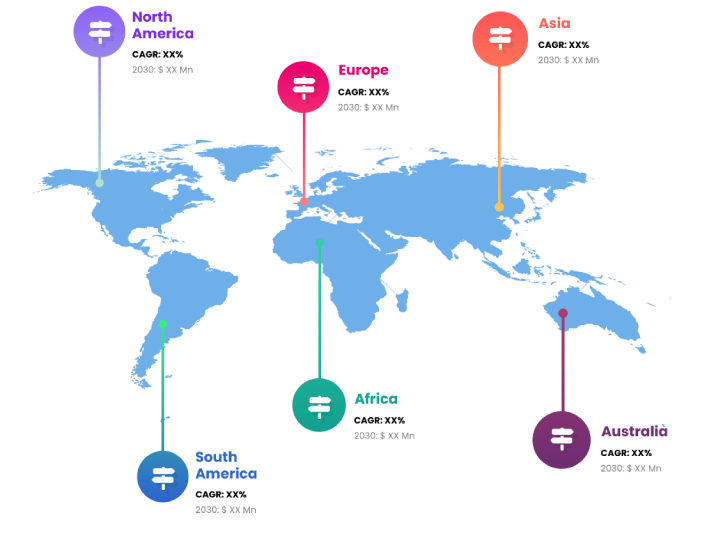
Global Agricultural Insurance market, Regional Analysis
- Europe: Germany, Uk, France, Italy, Spain, Russia, Rest of Europe
- The Asia Pacific: China,Japan,India,South Korea,Australia,Rest of Asia Pacific
- South America: Brazil, Argentina, Rest of South America
- Middle East & Africa: UAE, Saudi Arabia, Qatar, South Africa, Rest of Middle East & Africa
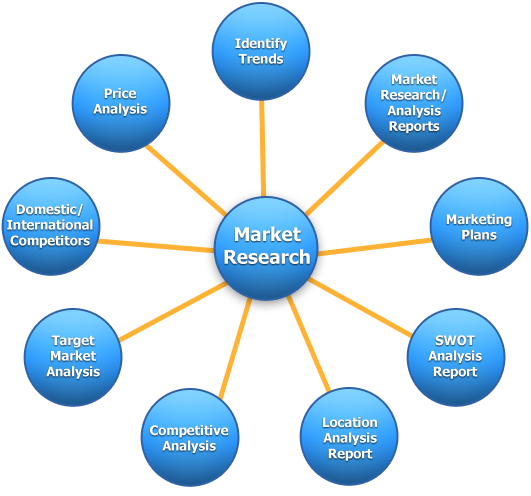
You will get in-depth and extensive agricultural insurance market market research and competitor analysis for your business to help you develop more profound insights into the agricultural insurance market Market.
Through INFINITIVE Data Expert is a professional Market Research services, I will identify the agricultural insurance market market size, demand & opportunities, growth rate, and target audience with a comprehensive analysis of your competitors.