

Paper Cups Market
Año de publicación: 2026 Formats: PDF XLS PPT

Paper Cups Market Informe de análisis de tamaño, participación y tendencias – Descripción general de la industria y previsión hasta 2033

ID del informe: CBR125 Número de páginas: 207 Año de publicación: May 2026 Formato: PDF Categoría: Investigación de mercado Entrega: 24 a 48 horas

Instantánea del mercado Paper Cups Market

CAGR 4.2%
Tamaño base del mercado USD 9 billion Año base
Perspectivas de crecimiento
Tamaño previsto del mercado USD 13 billion Año de previsión
Período de previsión 2025–2033
Región líder Asia Pacific (38%)
País líder United States (19%)
Segmento más grande Hot Beverages Cups (46%)
Mercado de más rápido crecimiento Asia Pacific

Panorama competitivo de Paper Cups Market

The market is fragmented, with global paper and packaging groups competing alongside regional converters and foodservice-focused suppliers. Market share is influenced by fiber sourcing, converting efficiency, print capability, sustainability credentials, and customer service rather than brand power alone. Large players lead in integrated supply and multinational contracts, while regional firms win on responsiveness and local pricing.

Posicionamiento empresarial

Empresa Posición Fortaleza clave
Huhtamaki Market Leader Strong global foodservice packaging presence, broad product range, and established sustainability positioning.
Dart Container Market Leader Large-scale disposable foodservice packaging operations and strong North American distribution.
Graphic Packaging International Major Player Integrated paperboard capabilities and strong conversion expertise for branded cups and packaging.
International Paper Major Player Scale in fiber-based packaging and supply chain strength across major markets.
Pactiv Evergreen Major Player Deep foodservice packaging relationships and manufacturing footprint in North America.
Solo Cup Company Established Player Recognized disposable cup brand with broad foodservice reach and operational scale.

Desarrollos recientes

  • Suppliers have increased investment in recyclable barrier coatings and reduced plastic linings.
  • Major foodservice packaging producers are expanding capacity for printed and premium cup formats.
  • Sustainability certifications and fiber sourcing transparency have become more important in tender processes.

Movimientos estratégicos

  • Expand local converting capacity in high-growth regions to lower freight costs.
  • Develop PFAS-free and recyclable coating solutions for premium beverage chains.
  • Strengthen partnerships with large coffee and QSR operators through multi-year supply agreements.

Análisis de segmentación de Paper Cups Market

📊 By Product Type
Subsegmento Segmento líder Participación de mercado Tasa de crecimiento
Hot Beverages Cups Líder 46% 4.1%
Cold Beverages Cups
Double Wall Paper Cups
Ripple Wall Paper Cups
Specialty and Custom Printed Cups
📊 By Material Type
Subsegmento Segmento líder Participación de mercado Tasa de crecimiento
Virgin Paperboard Líder 44% 4.4%
Recycled Paperboard
FSC Certified Paperboard
Bio-based Barrier Coated Paperboard
📊 Por uso final
Subsegmento Segmento líder Participación de mercado Tasa de crecimiento
Foodservice Chains Líder 40% 4.3%
Coffee Shops and Cafés
Institutional Catering
Retail and Convenience Stores
Events and Travel Retail

Análisis regional

Región Valor de mercado (2025) Participación de mercado Previsión de CAGR (2034)
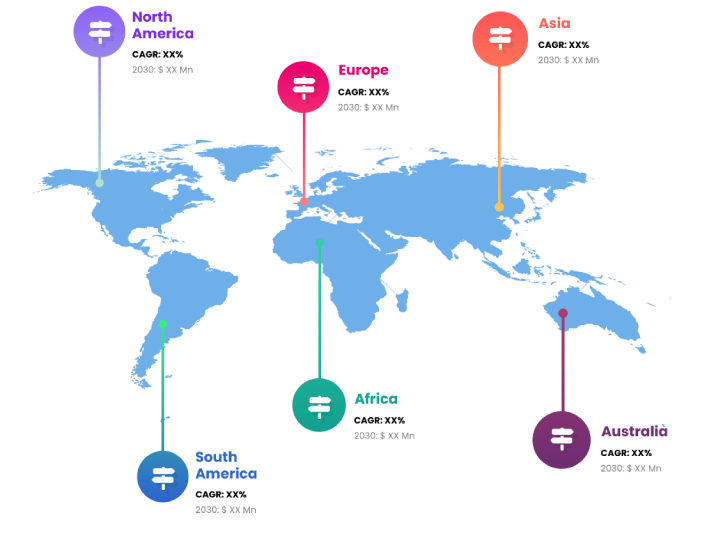
North America USD 2.2 million 24.7% 3.8%
Europe USD 2.0 million 22.5% 3.9%
Asia Pacific Fastest USD 3.4 million 38% 5.2%
Latin America USD 0.7 million 7.9% 4.6%
Middle East and Africa USD 0.6 million 6.9% 4.4%

Aspectos destacados regionales

Global

The global market is mature but still expanding, led by beverage-on-the-go consumption and sustainability-driven replacement of plastic alternatives. Growth is strongest in Asia Pacific, while North America and Europe continue to support premium and compliant product demand.

North America

North America is a high-value market with strong demand from coffee chains, QSR brands, and institutional users. Sustainability requirements and branded packaging needs support premium pricing and innovation in recyclable coatings.

Europe

Europe shows strong regulatory influence, with high attention to recyclability, certified fiber sourcing, and reduced plastic content. Demand is stable and quality-driven, with a greater share of premium and compliant products.

Asia Pacific

Asia Pacific is the fastest-growing region due to rising urban beverage consumption, foodservice expansion, and growing modern retail channels. Large-scale manufacturing bases and expanding café culture support both volume and value growth.

Latin America

Latin America is expanding steadily, supported by urbanization, quick-service restaurant growth, and wider availability of disposable beverage packaging. Price sensitivity remains high, favoring efficient local production and standard formats.

Middle East And Africa

The Middle East and Africa market is smaller but improving, with growth linked to hospitality, travel, foodservice expansion, and modern retail adoption. Demand is strongest in urban centers and tourism-driven economies.

Análisis por país

País Valor de mercado (2025) Participación de mercado
United States USD 1.7 million 19%
China USD 1.3 million 14.5%
Germany USD 0.6 million 6.8%
Japan USD 0.5 million 5.6%
India USD 0.7 million 7.8%

Aspectos destacados a nivel de país

United States

The United States remains the largest single-country market, driven by coffee chains, convenience retail, and high use of branded takeaway packaging. Demand for recyclable and premium printed cups is especially strong.

China

China shows strong volume growth from expanding beverage chains, delivery services, and domestic manufacturing capacity. The market is increasingly focused on cost efficiency, scale, and sustainability upgrades.

Germany

Germany is a leading European market with strong environmental standards and high demand for certified paperboard and recyclable cup formats. Buyers prioritize compliance and quality over low price alone.

Japan

Japan has steady demand supported by vending, convenience stores, and premium foodservice packaging. The market values consistent quality, compact supply chains, and high presentation standards.

India

India is one of the fastest-growing national markets, supported by café expansion, street beverage service, and rising disposable income. Demand is growing for affordable standard cups and branded formats.

United Kingdom

The United Kingdom has a mature market shaped by sustainability policy, chain café demand, and consumer attention to packaging waste. Suppliers with recyclable and certified products are well positioned.

Emerging High Growth Countries

Indonesia, Vietnam, Saudi Arabia, the United Arab Emirates, and Brazil offer attractive growth from urban foodservice expansion, tourism, and changing beverage consumption patterns.

Análisis de precios

Average selling prices are rising moderately due to higher paperboard, coating, and logistics costs, while buyers remain highly sensitive to contract volume and print complexity. Premium recyclable and insulated cup formats command stronger pricing than standard single-wall cups.

Componente de costo Participación (%)
Paperboard and fiber inputs 42%
Barrier coating and inks 14%
Labor and converting 16%
Energy and plant overhead 12%
Logistics, warehousing, and sales 16%

Typical gross margins range from 14% to 24%, with the highest margins in premium printed and sustainable cup lines. Commodity single-wall products usually deliver lower margins because procurement is highly competitive and customers can switch suppliers easily.

Análisis de fabricación y producción

A medium-scale paper cup plant typically requires moderate capital investment for converting lines, printing, die-cutting, and quality control systems. Total setup costs rise when in-house coating, automation, and waste management systems are added.

Key Machinery & Equipment
  • Paper cup forming machines
  • Flexographic printing machines
  • Die-cutting equipment
  • Lamination and coating units
  • Air compressors and utility systems
  • Quality inspection and packing equipment
Manufacturing Process Flow
  • Paperboard sourcing and inbound quality checks
  • Printing and surface treatment
  • Lamination or barrier coating application
  • Cup forming and sealing
  • Inspection, packing, and palletizing

Análisis de la cadena de valor

  • Pulp and paperboard suppliers provide the core raw material base for cup production.
  • Coating and ink suppliers add barrier performance, appearance, and food-contact functionality.
  • Converting manufacturers print, cut, form, and seal the cups into finished products.
  • Distributors and packaging wholesalers move products into foodservice and retail channels.
  • End users such as cafés, QSR chains, caterers, and convenience stores drive recurring demand.
  • Waste management and recycling partners influence product design and sustainability outcomes.

Análisis del comercio global

Principales países exportadores
  • China
  • Germany
  • India
  • United States
  • Vietnam
  • Pavo

Principales países importadores

  • United States
  • United Kingdom
  • France
  • Japan
  • Saudi Arabia
  • United Arab Emirates

Análisis de inversión y rentabilidad

Cronograma de retorno de la inversión: Investments in efficient converting capacity and branded sustainable product lines can typically reach payback in 3 to 5 years, depending on utilization and contract stability.

Márgenes de ganancia: Well-run producers can achieve EBITDA margins in the low double digits to mid-teens, while premium and certified product lines can perform better.

Atractivo de la inversión: Medium to High

Evaluación del riesgo de mercado

  • Regulatory Risk: Moderate, due to changing rules on food-contact materials, recyclability, and single-use packaging.
  • Competition: High, with strong price competition and frequent tender-based purchasing.
  • Demand Growth: Moderate to strong, supported by foodservice growth and sustainability trends.
  • Entry Barrier: Moderate, because converting equipment is accessible but supply contracts and scale matter greatly.

Perspectivas estratégicas del mercado

  • The market will continue shifting from basic disposable cups toward recyclable and premium branded formats.
  • Asia Pacific offers the best combination of growth, scale, and manufacturing expansion potential.
  • Suppliers with integrated fiber sourcing and local converting will be better protected from input cost swings.
  • Sustainability compliance is becoming a standard buying criterion rather than a niche differentiator.
  • Custom printing and premium insulation remain key revenue enhancers in mature markets.

Dinámica del mercado

Drivers
  • Growth in coffee-to-go and takeaway beverage consumption
  • Rising substitution of plastic cups with paper-based alternatives
  • Expansion of quick-service restaurants, cafés, and delivery channels
  • Corporate sustainability commitments and packaging regulations
  • Improved printability and branding value for foodservice operators
Restraints
  • Volatility in paperboard and coating material costs
  • Limited recyclability where mixed coatings are used
  • Pressure from low-cost local suppliers in price-sensitive markets
  • Performance limitations for hot liquids without proper barrier layers
Opportunities
  • Fiber-based barrier coatings that improve recyclability
  • Premium customized cups for branded beverage chains
  • Growth in institutional catering and travel retail demand
  • Expansion in Asia Pacific and selected emerging markets
Challenges
  • Meeting food safety and performance standards across regions
  • Balancing sustainability claims with practical disposal systems
  • Maintaining margins in a highly competitive procurement environment
  • Adapting production to diverse cup sizes and coating requirements

Perspectivas estratégicas del mercado

  • Manufacturers with integrated paperboard sourcing and converting capabilities tend to protect margins better.
  • Brand owners increasingly prefer suppliers that can offer recyclable or compostable coating options.
  • Large foodservice chains create stable volume but require consistent quality and strict delivery performance.
  • Asia Pacific offers the strongest volume growth, while North America remains a high-value market for premium products.

Recomendación para el comprador

Mejor segmento: Hot Beverages Cups

Mejor región: Asia Pacific

Estrategia recomendada
  • Prioritize supply contracts with coffee chains, QSR operators, and institutional caterers.
  • Invest in recyclable barrier technology and certified sustainable materials.
  • Use regional production or local converting to reduce freight cost and improve response times.
  • Offer a product mix that includes standard cups, premium printed cups, and compostable options.

© Derechos de autor - INFINITIVE DATA EXPERT .