

The fast growth of cities, rising populations, and improved transportation networks have all contributed to rising demand for sodium sulfite as a food and beverage preservative. The growth of urban regions and the increasing number of city dwellers have increased the need for processed and packaged foods. Sodium sulfite is used to preserve the flavour, texture, and freshness of food in storage. Meat, poultry, dairy products, and processed foods all use it as a decontaminant. In addition, sodium sulfite is added to wine throughout the fermentation process to prevent oxidation and maintain the wine's flavour, aroma, and colour. Sulfites are added to wine to preserve its freshness, prevent oxidation, and stop the fermentation process in its tracks. Sodium sulfites are used in the textile industry to bleach out unwanted colours and stains. It helps colours stay put on the fabric and increases their durability. The future growth of the worldwide sodium sulfite market is expected to be significantly influenced by the increasing need for clean water and nutritious food.
Sodium sulfite, chemically represented by the formula Na2SO3, is a white crystalline salt. As a preservative and antioxidant, it finds widespread application in the food and pharmaceutical industries. The bleaching of wood pulp and as a photographic reduction agent are two more use for sodium sulphite. Products, forms, applications, and geographical regions all play a role in the sodium sulfite market's breakdown. Key market participants have used a variety of tactics to differentiate themselves and increase their share of the market. Sigma-Aldrich Co. LLC, ECOBAT Technologies Ltd, Godavari Biorefineries Ltd, The Aditya Birla Group, Borden & Remington Corp., Intersac, Nippon Chemical Industrial Co., Atul Limited, TCI Chemicals, and Lenzing AG are only few of the major competitors mentioned in this study.
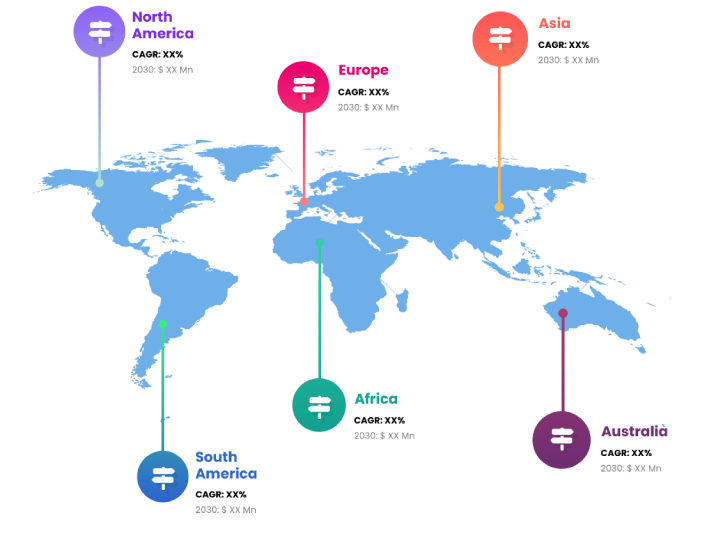
North America, Europe, Asia Pacific, Latin America, and the Middle East and Africa (MEA) are the geographical subsets into which the market is split. Countries like the United States and Canada help further divide the North American continent. U.K., France, Germany, Italy, Spain, Russia, and Rest of Europe are sub-regions of Europe. China, Japan, South Korea, India, Australia, South East Asia, and the Rest of Asia Pacific are the sub-regions that make up Asia Pacific. Similarly, the Middle East and Africa (MEA) area is broken down into the Gulf Cooperation Council (GCC), Turkey, South Africa, and the Rest of MEA.
The research report on the global market for sodium sulfite finds that demand for the substance is highest in Asia and the Pacific. The significant sodium sulfite market share held by Asia Pacific is mostly attributable to the rapid urbanisation, infrastructure development, and construction boom in countries like China and India. Increased disposable income, shifting consumer preferences, and growing interest in environmentally responsible building practises are predicted to create substantial growth prospects for the sodium sulfite industry in the region.
Report Coverage
Global Sodium Sulfite research report categorizes the market for global based on various segments and regions, forecasts revenue growth, and analyzes trends in each submarket. Global Sodium Sulfite report analyses the key growth drivers, opportunities, and challenges influencing the global market. Recent market developments and Sodium Sulfite competitive strategies such as expansion, product launch and development, partnership, merger, and acquisition have been included to draw the competitive landscape in the market. The report strategically identifies and profiles the key Sodium Sulfite market players and analyses their core competencies in each global market sub-segments.
| REPORT ATTRIBUTES | DETAILS |
|---|---|
| Study Period | 2017-2030 |
| Base Year | 2022 |
| Forecast Period | 2022-2030 |
| Historical Period | 2017-2021 |
| Unit | Value (USD Billion) |
| Key Companies Profiled | INEOS Calabrian, Solvay, Aditya Birla Chemicals, Esseco Group, BASF, Sanxiang Chemical, Merck Millipore, PENTA, JAY DINESH CHEMICALS, Haolin, Sichuan Xinxing Chemical, Aoke Chemical, Borden & Remington Corporation |
| Segments Covered | • By Product |
| Customization Scope | Free report customization (equivalent to up to 3 analyst working days) with purchase. Addition or alteration to country, regional & segment scope |
Key Points Covered in the Report
- Market Revenue of Sodium Sulfite Market from 2021 to 2030.
- Market Forecast for Sodium Sulfite Market from 2021 to 2030.
- Regional Market Share and Revenue from 2021 to 2030.
- Country Market share within region from 2021 to 2030.
- Key Type and Application Revenue and forecast.
- Company Market Share Analysis, Sodium Sulfite competitive scenario, ranking, and detailed company
profiles. - Market driver, restraints, and detailed COVID-19 impact on Sodium Sulfite
Market
Competitive Environment:
The research provides an accurate study of the major organisations and companies operating in the global Sodium Sulfite market, along with a comparative evaluation based on their product portfolios, corporate summaries, geographic reach, business plans, Sodium Sulfite market shares in specific segments, and SWOT analyses. A detailed analysis of the firms' recent news and developments, such as product development, inventions, joint ventures, partnerships, mergers and acquisitions, strategic alliances, and other activities, is also included in the study. This makes it possible to assess the level of market competition as a whole.
List of Major Market Participants
INEOS Calabrian, Solvay, Aditya Birla Chemicals, Esseco Group, BASF, Sanxiang Chemical, Merck Millipore, PENTA, JAY DINESH CHEMICALS, Haolin, Sichuan Xinxing Chemical, Aoke Chemical, Borden & Remington Corporation
Primary Target Market
- Market Players of Sodium Sulfite
- Investors
- End-users
- Government Authorities
- Consulting And Research Firm
- Venture capitalists
- Third-party knowledge providers
- Value-Added Resellers (VARs)
Market Segment:
This study forecasts global, regional, and country revenue from 2019 to 2030. INFINITIVE DATA EXPERT has segmented the global Sodium Sulfite market based on the below-mentioned segments:
Global Sodium Sulfite Market, By Type
Food Grade
Industrial Grade
Global Sodium Sulfite market, By Application
Home Laundry
Paper Pulping
Food Industry
Laxative
Defrosting Windows and Starch
Thermal Storage
Laboratory Applications
Fining Agent
Water and Wastewater Treatment
Photography
Winemaking Industry
Textile Industry
Flue Gas Desulfurization
Others
Global Sodium Sulfite Market, By End User
Chemical
Industrial
Commercial
Global Sodium Sulfite market, Regional Analysis
- Europe: Germany, Uk, France, Italy, Spain, Russia, Rest of Europe
- The Asia Pacific: China,Japan,India,South Korea,Australia,Rest of Asia Pacific
- South America: Brazil, Argentina, Rest of South America
- Middle East & Africa: UAE, Saudi Arabia, Qatar, South Africa, Rest of Middle East & Africa
You will get in-depth and extensive sodium sulfite market market research and competitor analysis for your business to help you develop more profound insights into the sodium sulfite market Market.
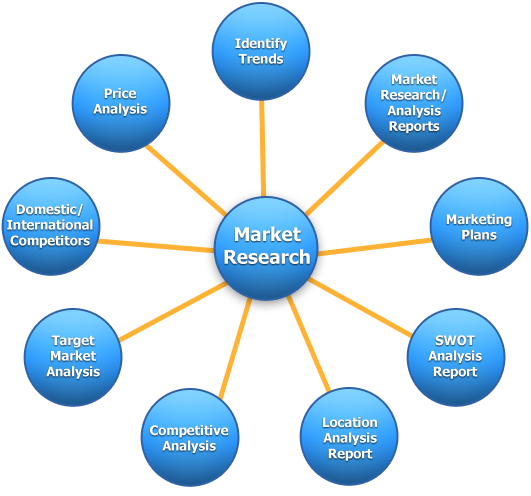
Through INFINITIVE Data Expert is a professional Market Research services, I will identify the sodium sulfite market market size, demand & opportunities, growth rate, and target audience with a comprehensive analysis of your competitors.