

The Food and Agriculture Organization estimates that in order to feed everyone on the planet, food output must rise by 70% by 2050. The need for fertilizers is likely to increase as a result, which is anticipated to accelerate market expansion during the ensuing years. To fulfill the growing demands of livestock and people, it is anticipated that an increase in food and feed production will boost the demand for phosphate fertilizers. One of the biggest producers of cereals, grains, and oilseeds is the United States. Over the course of the forecast period, this is expected to drive the market.
Data from the National Agricultural Statistics Service Information show that Americans consumed 224.63 pounds of poultry and red meat per person in 2018, up from 224.10 pounds in 2019. In the upcoming years, the market for phosphate rock is anticipated to be driven by the rising demand for high-quality meat, which is also likely to increase demand for animal feed with high nutritional value.
The market for phosphate rocks is expanding as a result of an increase in plant and crop diseases. Disease-related crop and plant damage, which can be caused by a number of plant pathogenic organisms, is a significant source. Fungi are the primary cause of crop loss on a global scale. Disease control is an essential component of crop production for the majority of crops since diseases can have a large financial impact on quality and yield. Fungicide use during planting and crop growth reduces defects, increases yields, and controls disease. Because the disease damages the leaves, which are crucial for photosynthesis, food crops with infections frequently produce less. agricultural security measures are required since research shows that fungi cause one in eight agricultural plants to stop producing.
It is projected that the primary reason driving the demand for phosphate rocks would be the increased demand for food and feed production to meet the rising needs of livestock and humans. Food demand is increasing as the world's population rises, particularly in emerging countries. Phosphate rocks are a crucial component of agricultural production because they help plants grow and produce healthy crops. The increased demand for meat and dairy products also contributes to their use as animal feed. For instance, according to The Economic Survey of India 2020-21 report, the country produced about 296.65 million tons of food grains in FY20, an increase of 11.44 million tons from 285.21 million tons in FY19. The India Brand Equity Foundation, a company set up by the Indian government to boost exports, provided this information. As a result, it is projected that as food and feed production increases, so will the demand for phosphate rock.
There are several major competitors competing for market share in the worldwide phosphate rock market, which defines the competitive landscape. Due of their enormous production capacity and established distribution networks, industry giants including OCP Group, Mosaic Company, and Nutrien Ltd. command a sizeable market share. These firms make use of their potent R&D resources to boost manufacturing effectiveness and create cutting-edge phosphate-based products.
In order to capitalize on complementary qualities and broaden their market reach, businesses are increasingly forming alliances and working together. Regional players are also essential since they meet regional demand and offer affordable solutions. Companies are looking into sustainable mining methods and creating environmentally friendly fertilizer formulas as a result of environmental concerns.
Report Coverage
Global Phosphate Rock research report categorizes the market for global based on various segments and regions, forecasts revenue growth, and analyzes trends in each submarket. Global Phosphate Rock report analyses the key growth drivers, opportunities, and challenges influencing the global market. Recent market developments and Phosphate Rock competitive strategies such as expansion, product launch and development, partnership, merger, and acquisition have been included to draw the competitive landscape in the market. The report strategically identifies and profiles the key Phosphate Rock market players and analyses their core competencies in each global market sub-segments.
| REPORT ATTRIBUTES | DETAILS |
|---|---|
| Study Period | 2017-2030 |
| Base Year | 2022 |
| Forecast Period | 2022-2030 |
| Historical Period | 2017-2021 |
| Unit | Value (USD Billion) |
| Key Companies Profiled | Itafos (Canada), Nutrien Ltd (Canada), Phosphate Resources Limited (Australia), The Mosaic Company (US), Anglo American (UK), GCT (Saudi Arabia), Jordan Phosphate Mines Co (Jordan), OCP (South Africa), PhosAgro (Russia) and Maaden - Saudi Arabian Mining Company (Saudi Arabia), Yara International ASA (Norway), Agrium Inc. (Canada), ICL Group (Israel), EuroChem Group (Switzerland), Ma'aden - Saudi Arabian Mining Company (Saudi Arabia), PotashCorp (Canada), Wengfu (Group) Co., Ltd. (China), Arianne Phosphate Inc. (Canada), Vale S.A. (Brazil), J.R. Simplot Company (United States), Solikamsk Magnesium Works (Russia). |
| Segments Covered | • By Product |
| Customization Scope | Free report customization (equivalent to up to 3 analyst working days) with purchase. Addition or alteration to country, regional & segment scope |
Key Points Covered in the Report
- Market Revenue of Phosphate Rock Market from 2021 to 2030.
- Market Forecast for Phosphate Rock Market from 2021 to 2030.
- Regional Market Share and Revenue from 2021 to 2030.
- Country Market share within region from 2021 to 2030.
- Key Type and Application Revenue and forecast.
- Company Market Share Analysis, Phosphate Rock competitive scenario, ranking, and detailed company
profiles. - Market driver, restraints, and detailed COVID-19 impact on Phosphate Rock
Market
Competitive Environment:
The research provides an accurate study of the major organisations and companies operating in the global Phosphate Rock market, along with a comparative evaluation based on their product portfolios, corporate summaries, geographic reach, business plans, Phosphate Rock market shares in specific segments, and SWOT analyses. A detailed analysis of the firms' recent news and developments, such as product development, inventions, joint ventures, partnerships, mergers and acquisitions, strategic alliances, and other activities, is also included in the study. This makes it possible to assess the level of market competition as a whole.
List of Major Market Participants
Itafos (Canada), Nutrien Ltd (Canada), Phosphate Resources Limited (Australia), The Mosaic Company (US), Anglo American (UK), GCT (Saudi Arabia), Jordan Phosphate Mines Co (Jordan), OCP (South Africa), PhosAgro (Russia) and Maaden - Saudi Arabian Mining Company (Saudi Arabia), Yara International ASA (Norway), Agrium Inc. (Canada), ICL Group (Israel), EuroChem Group (Switzerland), Ma'aden - Saudi Arabian Mining Company (Saudi Arabia), PotashCorp (Canada), Wengfu (Group) Co., Ltd. (China), Arianne Phosphate Inc. (Canada), Vale S.A. (Brazil), J.R. Simplot Company (United States), Solikamsk Magnesium Works (Russia).
Primary Target Market
- Market Players of Phosphate Rock
- Investors
- End-users
- Government Authorities
- Consulting And Research Firm
- Venture capitalists
- Third-party knowledge providers
- Value-Added Resellers (VARs)
Market Segment:
This study forecasts global, regional, and country revenue from 2019 to 2030. INFINITIVE DATA EXPERT has segmented the global Phosphate Rock market based on the below-mentioned segments:
Global Phosphate Rock Market, By Source
Marine Phosphate Deposits
Igneous Phosphate Deposits
Metamorphic Deposits
Biogenic Deposits
Weathered Deposits
Global Phosphate Rock market, By Application
Fertilizers
Animal Feed Supplements
Chemicals
Food Preservatives
Water Treatment
Fungicides
Cosmetics
Detergents
Others
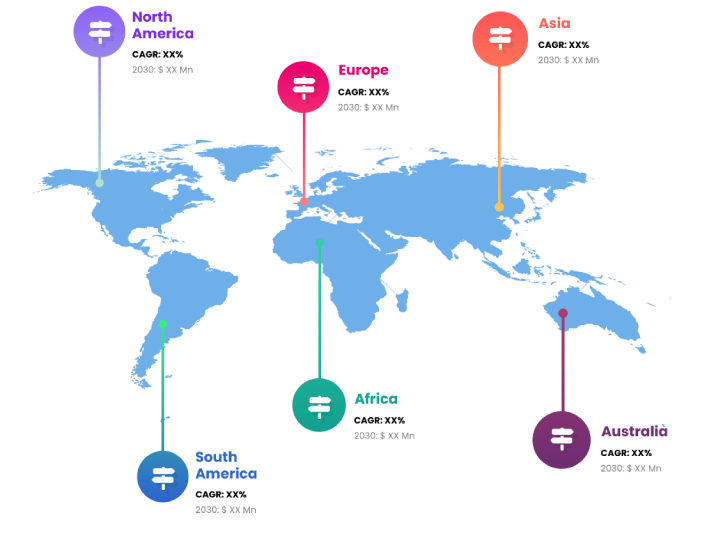
Global Phosphate Rock market, Regional Analysis
- Europe: Germany, Uk, France, Italy, Spain, Russia, Rest of Europe
- The Asia Pacific: China,Japan,India,South Korea,Australia,Rest of Asia Pacific
- South America: Brazil, Argentina, Rest of South America
- Middle East & Africa: UAE, Saudi Arabia, Qatar, South Africa, Rest of Middle East & Africa
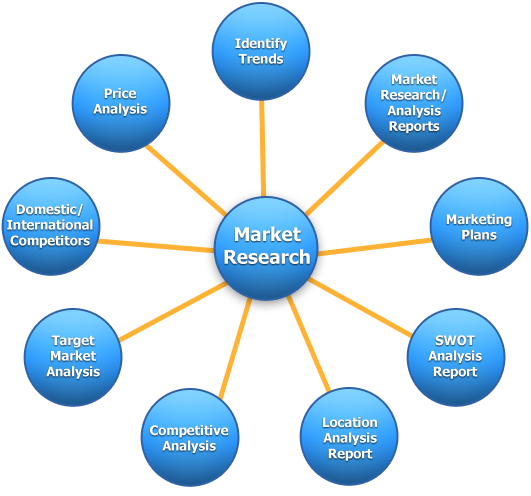
You will get in-depth and extensive phosphate rock market market research and competitor analysis for your business to help you develop more profound insights into the phosphate rock market Market.
Through INFINITIVE Data Expert is a professional Market Research services, I will identify the phosphate rock market market size, demand & opportunities, growth rate, and target audience with a comprehensive analysis of your competitors.