

Natural rubber, an elastomer, is derived from the latex of the rubber tree, which contains isoprene. In addition to being resistant to moisture, abrasion, and electricity, this polymer is also exceptionally elastic and flexible. It's used for a wide variety of things, including tires for cars and airplanes, adhesives, cement, friction tapes, shock absorbers, and insulating materials. Numerous industries, including the automotive, construction, chemical, aerospace, food, textile and footwear, pharmaceutical and medicinal, and oil sectors, make use of this rubber due to its versatility.
The latex sap of trees is processed to create natural rubber, also known as India rubber, gum elastic, and caoutchouc. Rubber is processed from latex to remove impurities and make it suitable for industrial use. Tapped trees from the hevea and ficus families are the most common source of latex. Natural rubber is a highly elastic hydrocarbon polymer (also known as an elastomer) due to its unique chemical composition. Tires, crap tubes, adhesives, roll covers, hoses, and gaskets are just some of the many goods that make use of natural rubber. Natural rubber's versatile properties—including its high resilience, outstanding tensile strength, rip resistance, and good flexing capabilities at low temperatures—make it a good choice for many different uses.
Market expansion for natural rubber is being driven by rising demand for end-use products like latex gloves and condoms. The natural rubber market will be presented with profitable and rewarding growth prospects as a result of the rising demand for naturally formulated rubber goods caused by the increase in the price of crude oil. The growth of the automobile industry, together with the accompanying rise in industrialization, will drive up demand for natural rubber goods. An additional factor that will influence the development of the natural rubber market is the expanding demand for the material in the Asia-Pacific.
Increasing manufacturing of autos, expanding construction activities, high demand for footwear, and increased manufacture of airplanes are only few of the causes contributing to the rise in demand. In addition, natural rubber is an important input in the production of many different types of consumer goods. This includes things like medical devices, industrial parts, surgical gloves, car tires, clothing, pacifiers, toys, beds, and so on.
Despite its unique properties and wide range of potential applications, the market will likely face some obstacles in the years ahead, particularly from synthetic rubber. As demand for synthetic rubber grows and more varieties of synthetic rubber become available, many consumers are opting to stock up on synthetic rubber at the expense of natural rubber. Over the predicted time period, this will continue to be a significant barrier for the natural rubber industry.
The automotive, consumer goods, manufacturing, and medical industries all rely heavily on rubber's versatility and durability. After being harvested from rubber trees, natural rubber goes through a process called remilling, where it is washed (to remove debris like leaves and insects), blended (to guarantee uniformity), dried, and packaged before being sold on as smoked rubber sheets or bales. Most natural rubber is used in the production of tires and tubes for automobiles. Historically, the Asia-Pacific area has been the world's largest rubber market, with producers and exporters shipping their wares all over the globe. Natural rubber competes with synthetic rubber for consumer demand due to the substitutability factor.
The competitive landscape of the natural rubber industry includes information on each player in the market. Described are the company's background and structure, financials, revenue, market potential, R&D spending, new market initiatives, global footprint, production sites and facilities, production capacities, advantages and disadvantages, new product launches, product lines, and dominant uses. The foregoing information is limited to those companies whose primary focus is the natural rubber sector.
Report Coverage
Global Natural Rubber research report categorizes the market for global based on various segments and regions, forecasts revenue growth, and analyzes trends in each submarket. Global Natural Rubber report analyses the key growth drivers, opportunities, and challenges influencing the global market. Recent market developments and Natural Rubber competitive strategies such as expansion, product launch and development, partnership, merger, and acquisition have been included to draw the competitive landscape in the market. The report strategically identifies and profiles the key Natural Rubber market players and analyses their core competencies in each global market sub-segments.
| REPORT ATTRIBUTES | DETAILS |
|---|---|
| Study Period | 2017-2030 |
| Base Year | 2022 |
| Forecast Period | 2022-2030 |
| Historical Period | 2017-2021 |
| Unit | Value (USD Billion) |
| Key Companies Profiled | Sri Trang Agro-Industry Plc, Ceyenar, Hainan Natural Rubber Industry Group Co., Ltd., Southland Global, KA-Glove, Thai Hua Rubber PCL, Von Bundit Co., Ltd., THAI RUBBER LATEX GROUP PUBLIC COMPANY LIMITED, Goodyear Rubber Company of Southern California, Duratuf Products Private Limited, Rolex Reclaim Pvt. Ltd., Kent Elastomer Products, PT. Bakrie Sumatera Plantations tbk, Unitex Rubber Co., Ltd., HALCYON AGRI, Bridgestone Corporation, SINOCHEM GROUP CO., LTD., FIRESTONE LIBERIA and PT. Indolatex Jaya Abadi, Num Rubber & Latex Co., Ltd, Yunnan State Farms Group Co., Ltd, Apcotex Industries Ltd., Firestone Natural Rubber Company, among |
| Segments Covered | • By Product |
| Customization Scope | Free report customization (equivalent to up to 3 analyst working days) with purchase. Addition or alteration to country, regional & segment scope |
Key Points Covered in the Report
- Market Revenue of Natural Rubber Market from 2021 to 2030.
- Market Forecast for Natural Rubber Market from 2021 to 2030.
- Regional Market Share and Revenue from 2021 to 2030.
- Country Market share within region from 2021 to 2030.
- Key Type and Application Revenue and forecast.
- Company Market Share Analysis, Natural Rubber competitive scenario, ranking, and detailed company
profiles. - Market driver, restraints, and detailed COVID-19 impact on Natural Rubber
Market
Competitive Environment:
The research provides an accurate study of the major organisations and companies operating in the global Natural Rubber market, along with a comparative evaluation based on their product portfolios, corporate summaries, geographic reach, business plans, Natural Rubber market shares in specific segments, and SWOT analyses. A detailed analysis of the firms' recent news and developments, such as product development, inventions, joint ventures, partnerships, mergers and acquisitions, strategic alliances, and other activities, is also included in the study. This makes it possible to assess the level of market competition as a whole.
List of Major Market Participants
Sri Trang Agro-Industry Plc, Ceyenar, Hainan Natural Rubber Industry Group Co., Ltd., Southland Global, KA-Glove, Thai Hua Rubber PCL, Von Bundit Co., Ltd., THAI RUBBER LATEX GROUP PUBLIC COMPANY LIMITED, Goodyear Rubber Company of Southern California, Duratuf Products Private Limited, Rolex Reclaim Pvt. Ltd., Kent Elastomer Products, PT. Bakrie Sumatera Plantations tbk, Unitex Rubber Co., Ltd., HALCYON AGRI, Bridgestone Corporation, SINOCHEM GROUP CO., LTD., FIRESTONE LIBERIA and PT. Indolatex Jaya Abadi, Num Rubber & Latex Co., Ltd, Yunnan State Farms Group Co., Ltd, Apcotex Industries Ltd., Firestone Natural Rubber Company, among
Primary Target Market
- Market Players of Natural Rubber
- Investors
- End-users
- Government Authorities
- Consulting And Research Firm
- Venture capitalists
- Third-party knowledge providers
- Value-Added Resellers (VARs)
Market Segment:
This study forecasts global, regional, and country revenue from 2019 to 2030. INFINITIVE DATA EXPERT has segmented the global Natural Rubber market based on the below-mentioned segments:
Global Natural Rubber Market, By Type
Ribbed Smoked Sheet type
Solid Block Rubber type
Concentrated Latex type
Others (e.g Reclaimed Rubber, Crepe Rubber)
Global Natural Rubber market, By Application
Automotive Components
Surgical Gloves
Conveyor Belts
Foot Wear
Latex Products
Rubber Pipes and other general products
Global Natural Rubber Market, By End User
Chemical Industry
Textile industry
Automotive Industry
Food Industry
Pharmaceutical Industry
Global Natural Rubber market, Regional Analysis
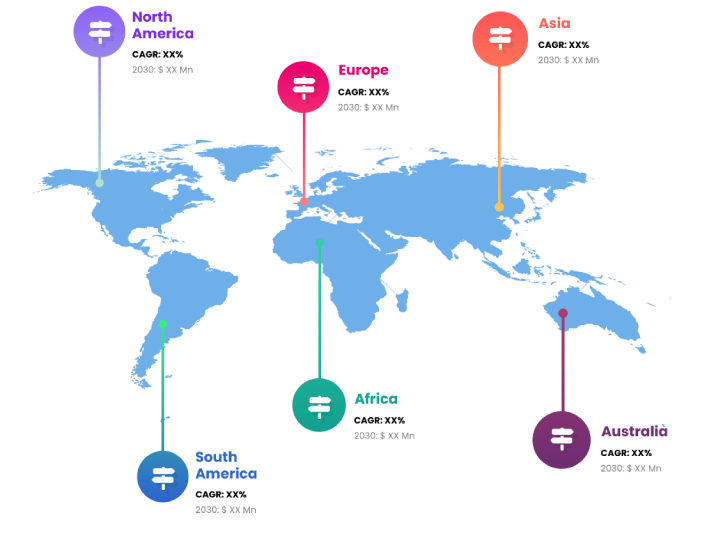
- Europe: Germany, Uk, France, Italy, Spain, Russia, Rest of Europe
- The Asia Pacific: China,Japan,India,South Korea,Australia,Rest of Asia Pacific
- South America: Brazil, Argentina, Rest of South America
- Middle East & Africa: UAE, Saudi Arabia, Qatar, South Africa, Rest of Middle East & Africa
You will get in-depth and extensive natural rubber market market research and competitor analysis for your business to help you develop more profound insights into the natural rubber market Market.
Through INFINITIVE Data Expert is a professional Market Research services, I will identify the natural rubber market market size, demand & opportunities, growth rate, and target audience with a comprehensive analysis of your competitors.