

The technology and software are installed aboard autonomous ships, also referred to as crewless ships, without human intervention. The ship's sensors, autonomous navigation, propulsion and auxiliary systems, GPS tracker, and other features aid in helping the crew make decisions that are appropriate for the situation. Additionally, partially autonomous ships are monitored and controlled by people through off-board control centers. Additionally, autonomous ships may make decisions and act independently because their whole functioning is under the supervision of powerful operating systems.
Remotely piloted or highly automated ships are considered autonomous. These boats are outfitted with the most recent data analysis, Internet of Things (IoT), and land-based monitoring centers connected to internet networks. All ship operations-related tasks are carried out automatically by cutting-edge technology and software. Automated systems deliver vital information on equipment status, ambient conditions, engine control, cargo control and loading, vessel control, docking, and undocking. Without human interference, automated ships travel across oceans thanks to technological advancements in sensors, electromechanical drives, cameras, and satellite technology. How autonomous ships would fit into the current international maritime law agenda is being investigated by Committee Maritime International (CMI) and the International Maritime Organization (IMO).
The next generation of ships are automation ships, which have no crew members on board. Through detectors, sensors, high-definition cameras, and sophisticated satellite communication systems, shore engineers will be able to monitor and manage their navigation and performance from a shore operational center. The development of next-generation autonomous ships has accelerated the expansion of the autonomous ships industry in recent years. Major industry participants are concentrating on a cooperative strategy for the improvement of autonomous ships. For instance, in order to develop the following generation of autonomous vessels for the commercial survey industry, Fugro and L3 ASV, a pioneer in the field of unmanned and autonomous vessel technology, signed a cooperative development agreement in 2018. The collaboration combines the knowledge of the two businesses to build a range of fit-for-purpose unmanned surface vessels (USVs).
Automation on ships raises the risk of cyberattacks because these ships travel along satellite routes. It is anticipated that maritime vessel owners would connect their ships to onshore networks in the upcoming years. Installing automation systems enables the integration of essential marine vessel sub-systems with one another through local networks, which is the first step toward the complete automation of boats. The operational effectiveness and safety of the ships are projected to be improved by the application of big data analytics in their development. However, it is also anticipated that increasing automation may make the ships more susceptible to cyber threats. The Maritime Safety Committee (MSC) of the International Maritime Organization (IMO) has developed provisional recommendations to stop cyberattacks on ship systems as incidences of online threats and possible attacks rise all around the world.
A rise in automation, a rise in tourism, and a rise in per capita income have all contributed to an increase in demand for autonomous ships. Additionally, it is projected that an increase in seaborne commerce and leisure activities will fuel demand for autonomous ships globally. Additionally, the demand for autonomous ships is projected to increase in the near future due to increased pressure to encourage safe and effective maritime operations.
In recent years, significant industry participants have created solutions to enhance marine security. The market is expected to increase as a result of the adoption of cutting-edge technologies like artificial intelligence, augmented reality, and sophisticated navigation systems. For instance, Hyundai Heavy Industries (HHI) fitted a 250,000 dwt tanker with the "Hyundai Intelligent Navigation Assistance System" (HiNAS) in April 2020. The technology uses artificial intelligence to automatically identify adjacent ships, record their speed and position, and show the data on an augmented reality (AR) screen. HiNAS technology is beneficial for the autonomous operation of larger vessels, according to HHI.
Report Coverage
Global Autonomous Ships research report categorizes the market for global based on various segments and regions, forecasts revenue growth, and analyzes trends in each submarket. Global Autonomous Ships report analyses the key growth drivers, opportunities, and challenges influencing the global market. Recent market developments and Autonomous Ships competitive strategies such as expansion, product launch and development, partnership, merger, and acquisition have been included to draw the competitive landscape in the market. The report strategically identifies and profiles the key Autonomous Ships market players and analyses their core competencies in each global market sub-segments.
| REPORT ATTRIBUTES | DETAILS |
|---|---|
| Study Period | 2017-2030 |
| Base Year | 2022 |
| Forecast Period | 2022-2030 |
| Historical Period | 2017-2021 |
| Unit | Value (USD Billion) |
| Key Companies Profiled | HONEYWELL INTERNATIONAL, ROLLS ROYCE, L3 ASV, KONGSBERG GRUPPEN, NORTHROP GRUMMAN, ULSTEIN GROUP ASA, ABB LTD., WÄRTSILÄ, MITSUI O.S.K. LINES, MARINE TECHNOLOGIES LLC, SELSAN A. (Turkey), BAE Systems (U.K.), GE (U.S.), L3Harris Technologies, Inc. (U.S.), Siemens Energy (Germany), Fugro (Netherlands), and Hyundai Heavy Industries (South Korea), among others |
| Segments Covered | • By Product |
| Customization Scope | Free report customization (equivalent to up to 3 analyst working days) with purchase. Addition or alteration to country, regional & segment scope |
Key Points Covered in the Report
- Market Revenue of Autonomous Ships Market from 2021 to 2030.
- Market Forecast for Autonomous Ships Market from 2021 to 2030.
- Regional Market Share and Revenue from 2021 to 2030.
- Country Market share within region from 2021 to 2030.
- Key Type and Application Revenue and forecast.
- Company Market Share Analysis, Autonomous Ships competitive scenario, ranking, and detailed company
profiles. - Market driver, restraints, and detailed COVID-19 impact on Autonomous Ships
Market
Competitive Environment:
The research provides an accurate study of the major organisations and companies operating in the global Autonomous Ships market, along with a comparative evaluation based on their product portfolios, corporate summaries, geographic reach, business plans, Autonomous Ships market shares in specific segments, and SWOT analyses. A detailed analysis of the firms' recent news and developments, such as product development, inventions, joint ventures, partnerships, mergers and acquisitions, strategic alliances, and other activities, is also included in the study. This makes it possible to assess the level of market competition as a whole.
List of Major Market Participants
HONEYWELL INTERNATIONAL, ROLLS ROYCE, L3 ASV, KONGSBERG GRUPPEN, NORTHROP GRUMMAN, ULSTEIN GROUP ASA, ABB LTD., WÄRTSILÄ, MITSUI O.S.K. LINES, MARINE TECHNOLOGIES LLC, SELSAN A. (Turkey), BAE Systems (U.K.), GE (U.S.), L3Harris Technologies, Inc. (U.S.), Siemens Energy (Germany), Fugro (Netherlands), and Hyundai Heavy Industries (South Korea), among others
Primary Target Market
- Market Players of Autonomous Ships
- Investors
- End-users
- Government Authorities
- Consulting And Research Firm
- Venture capitalists
- Third-party knowledge providers
- Value-Added Resellers (VARs)
Market Segment:
This study forecasts global, regional, and country revenue from 2019 to 2030. INFINITIVE DATA EXPERT has segmented the global Autonomous Ships market based on the below-mentioned segments:
Global Autonomous Ships Market, By Ship Type
Commercial ships
Defense ships
Passenger ship
Global Autonomous Ships market, By Fuel Type
Carbon Neutral Fuels
Liquefied natural gas
Electric batteries
Heavy fuel oils (HFO)
Global Autonomous Ships Market, By Component
HARDWARE
SOFTWARE
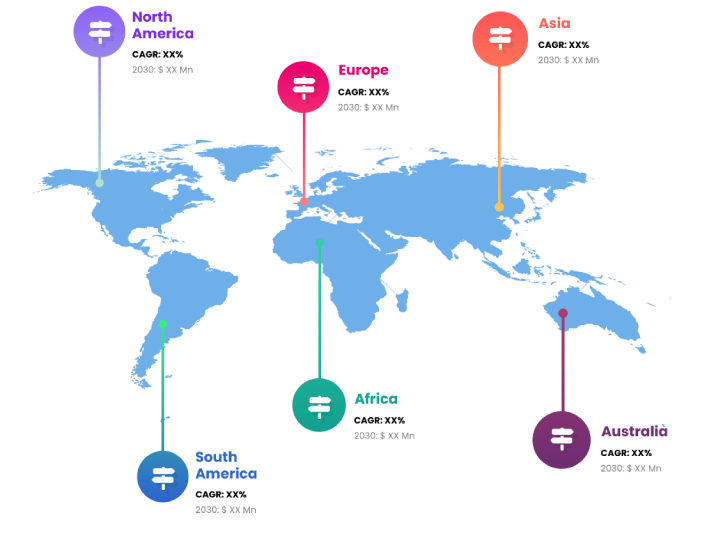
Global Autonomous Ships market, Regional Analysis
- Europe: Germany, Uk, France, Italy, Spain, Russia, Rest of Europe
- The Asia Pacific: China,Japan,India,South Korea,Australia,Rest of Asia Pacific
- South America: Brazil, Argentina, Rest of South America
- Middle East & Africa: UAE, Saudi Arabia, Qatar, South Africa, Rest of Middle East & Africa
You will get in-depth and extensive autonomous ships market market research and competitor analysis for your business to help you develop more profound insights into the autonomous ships market Market.
Through INFINITIVE Data Expert is a professional Market Research services, I will identify the autonomous ships market market size, demand & opportunities, growth rate, and target audience with a comprehensive analysis of your competitors.